
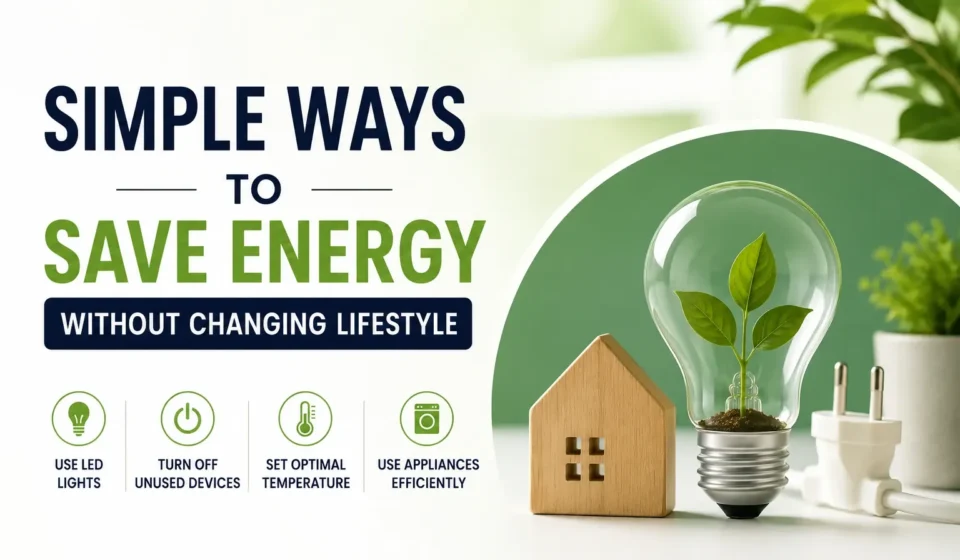

Saving energy does not mean that you must stop using your favourite appliances or sit in a dark room. In fact, small changes in how you use electricity can reduce your energy bill without affecting your comfort. You can continue cooking, watching television, using air conditioning, and enjoying your normal daily routine. Many households use more electricity than they actually need. This often happens because appliances stay switched on, heating and cooling systems work harder than necessary, or old habits waste power without anyone noticing. However, once you identify these small problems, you can control your energy use more easily. Services such as CheapBills can also help households compare energy options and understand what they are paying for. Likewise, Move In Connect can make utility connections easier when people move into a new home. Along with choosing the right service provider, the following practical tips can help you reduce energy use without making major lifestyle changes.
Turn Appliances Off at the Power Point
Many electrical devices continue using energy even when they appear to be switched off. This is known as standby power. Televisions, gaming systems, computers, microwaves, chargers, and sound systems may still draw electricity while waiting to be used. You do not need to stop using these devices. Instead, switch them off at the power point when you finish using them. A power board with an on-and-off switch can make this easier because you can disconnect several devices at once. You can also lower your electricity costs by comparing cheap energy plans with CheapBills to find an option that better fits your household.
Focus on Devices You Use Less Often
You may not need to unplug your refrigerator or internet router. However, devices used only a few times each week should not remain connected all day.
For example, switch off printers, extra televisions, coffee machines, gaming consoles, and phone chargers when they are not in use. This small habit can reduce wasted energy throughout the year.
Use Your Heating and Cooling More Carefully
Heating and cooling systems are often responsible for a large part of a household’s energy use. However, you do not need to stop using them. A small change in the temperature setting can lower energy use while keeping your home comfortable. During warmer weather, avoid setting the air conditioner extremely low. In colder months, avoid turning the heater too high. A comfortable and steady setting is usually better than making the system work at maximum power.
Keep Doors and Windows Closed
When your heating or cooling system is running, close outside doors and windows. Otherwise, warm or cool air escapes, and the system must work harder.
You should also close doors to rooms that are not being used. This allows the system to focus on the areas where people are spending time. As a result, the room may reach the desired temperature faster. Curtains and blinds can also help. Close them during hot parts of the day to block sunlight. During winter, open them when the sun is shining and close them at night to hold warmth inside.
Wash Clothes in Cold Water
Most modern washing machines and laundry products work well with cold water. Therefore, changing the water temperature is one of the easiest ways to reduce energy use without changing your laundry routine. Heating water requires electricity or gas. When you choose a cold wash, your machine can clean clothes while using less energy.
Run Full Loads Where Possible
Try to wait until you have enough clothes for a full load. Running two half-filled loads may use more water and energy than one full load. However, do not overfill the machine. Clothes need enough space to move around properly. Follow the machine’s recommended load size for the best cleaning result. You can also use shorter wash cycles for lightly worn clothes. Many items do not need a long or heavy washing programme.
Air-Dry Clothes When Convenient
A clothes dryer is helpful during rainy weather or when you need clothes quickly. Still, you do not need to use it for every load.
Drying clothes outside or on an indoor drying rack does not require electricity. You can continue using the dryer when necessary while choosing natural drying when the weather and your schedule allow it.
Make the Dryer Work More Efficiently
When you do use a dryer, clean the lint filter after each load. A blocked filter reduces airflow and makes the dryer work harder.
You should also avoid putting very wet clothes into the dryer. Use a suitable spin cycle in the washing machine first. Removing more water during the spin cycle can shorten drying time. Dry similar fabrics together as well. Lightweight clothes may dry much faster than thick towels, so mixing them can keep the dryer running longer than needed.
Change to Energy-Efficient Lighting
Switching to LED lights is a simple change that does not affect your daily lifestyle. LED bulbs use less electricity than older lighting options and usually last longer. You do not need to replace every bulb at the same time. Start with the lights you use most often, such as kitchen lights, living room lights, outdoor lights, and bedroom lights.
Make Better Use of Natural Light
During the day, open curtains and blinds instead of immediately switching on lights. Natural light can make a room feel brighter and more welcoming. You can also arrange chairs, desks, or reading areas near windows. This reduces the need for artificial lighting while allowing you to continue your normal activities.
Remember to switch lights off when leaving a room. It may seem like a small action, but it can become a useful energy-saving habit for the whole family.
Use Kitchen Appliances Wisely
Cooking at home does not need to become difficult or expensive. You can save energy by choosing the right appliance for each task.
For example, a microwave, toaster oven, electric kettle, or air fryer may use less energy than a full-sized oven for small meals. You can still cook your favourite foods while avoiding unnecessary electricity use.
Reduce Heat Loss While Cooking
Keep lids on pots when boiling water or cooking food. This holds heat inside and allows food to cook faster. Also, match the pot size to the burner. A small pot on a large burner may waste heat. Once water reaches boiling point, you can often lower the heat instead of leaving it at the highest setting. Try not to open the oven door repeatedly. Each time you open it, heat escapes and the oven may need extra energy to return to the correct temperature.
Check Your Refrigerator Settings
Your refrigerator runs throughout the day, so even small efficiency improvements can make a difference. Check that the temperature is cold enough to protect food but not colder than necessary. Do not place hot food directly into the refrigerator. Allow it to cool safely first because hot containers make the refrigerator work harder.
Keep the Door Closed
Decide what you need before opening the refrigerator door. Standing in front of an open fridge while choosing food allows cold air to escape. You should also check the door seal. Close the door on a piece of paper and gently pull it. If the paper moves out very easily, the seal may need cleaning, adjustment, or replacement.
Leave some space around the refrigerator as well. Proper airflow can help the appliance release heat and work more efficiently.
Compare Your Energy Plan
Energy-saving habits are important, but the rate you pay also affects your total bill. Two households may use a similar amount of electricity but receive different bills because they are on different plans.
Review your bill and look at the usage charges, daily supply charges, discounts, contract conditions, and payment rules. Do not focus only on a large discount because the starting price may still be high. Using a comparison service such as CheapBills may help you review available cheap energy plans and find an option that suits your household’s usage pattern. The lowest advertised rate is not always the best choice, so compare the full cost and terms carefully.
Review Your Plan Regularly
Energy offers and household needs can change over time. A plan that suited you two years ago may not be the best option today. Set a reminder to review your energy plan at least once a year. You should also check it after moving house, changing family size, buying major appliances, or beginning to work from home.
Make Moving-Day Connections Easier
Moving into a new home can create extra stress. Along with packing and changing addresses, you need to arrange electricity and other essential services. Planning early can prevent delays and reduce the chance of arriving at a home without active power. Confirm your moving date and contact your chosen provider before you need the service. Move In Connect can help you arrange your electricity connection and organise selected household services before you move. This can save time and reduce the number of separate calls you need to make.
Check the New Property’s Energy Needs
Every home is different. A larger property, an older building, or a home with electric heating may use more energy than your previous address. When moving, check the type of hot-water system, heating, cooling, cooking equipment, and available meters. Understanding these details can help you select a more suitable energy plan.
You should also record the meter reading when you move in. This may help prevent confusion about energy used by the previous resident.
Track Your Energy Use
You cannot manage energy use properly when you do not know where it is going. Start by reviewing your latest bills and comparing them with earlier periods. Some energy providers offer online accounts or mobile applications that show daily or hourly usage. Smart-meter data can help you identify times when your household uses the most electricity.
Look for Unusual Changes
You do not need to check energy use every day. Reviewing it once or twice each month may be enough to notice patterns.
For example, a sudden increase may be linked to colder weather, more air-conditioning use, an extra appliance, or a device that is not working correctly. Once you identify the cause, you can take practical action. You can also make energy saving a family habit. Encourage everyone to switch off unused lights, close doors, and avoid leaving devices running. These actions do not require major sacrifices, but together they can reduce waste.
Maintain Your Appliances
Appliances often use more energy when they are dirty, blocked, damaged, or poorly maintained. Basic care can help them work efficiently and may also extend their useful life. Clean air-conditioner filters, refrigerator coils, dryer filters, and kitchen exhaust fans according to the manufacturer’s instructions. Also, check whether appliances make unusual noises or take longer than normal to complete a task.
Replace Appliances at the Right Time
You do not need to replace every older appliance immediately. Buying unnecessary products can create extra costs. However, when an appliance reaches the end of its life, compare energy ratings before choosing a replacement. An efficient model may cost more at first but could lower running costs over several years. Consider the correct size as well. A larger appliance may use more electricity, even when your household does not need the extra capacity.
Final Thoughts
Saving energy does not require a completely different lifestyle. In most cases, it simply means reducing waste and helping your appliances work more efficiently.
Start with easy habits, such as switching devices off at the power point, using cold water for laundry, closing doors while heating or cooling, and turning off unnecessary lights. Then review larger factors, including refrigerator settings, appliance condition, and your current energy plan. CheapBills can be useful when comparing energy options, while Move In Connect can support households that need to arrange utilities during a move. Together with practical daily habits, these services may help make energy management easier. The best approach is to make one or two changes at a time. Once these actions become normal habits, you can add more. Over time, small improvements can lower energy use without reducing comfort, convenience, or enjoyment in your home.
More Info: https://www.edtechbuzzz.com/